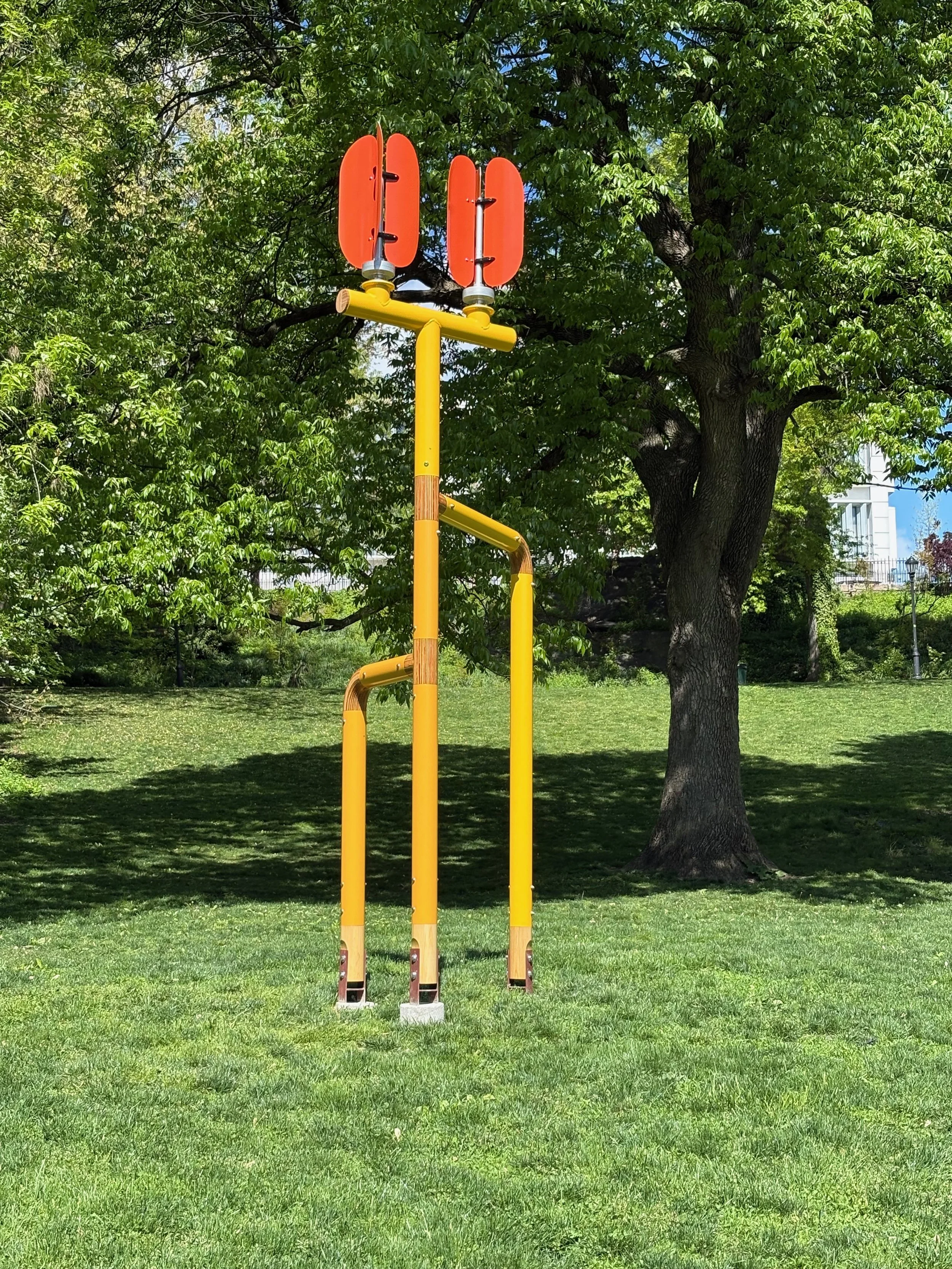
Beacon Wind Turbines
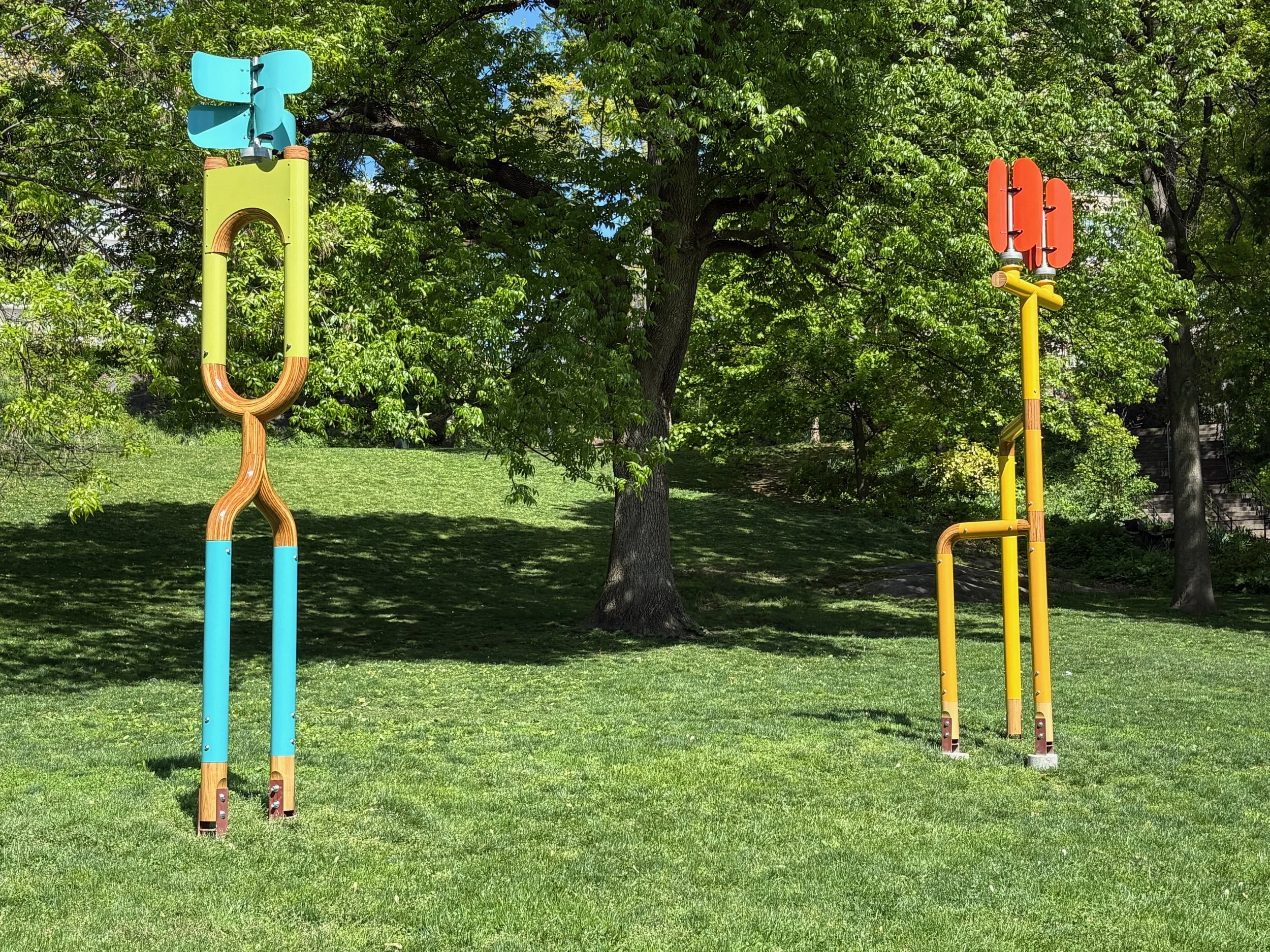
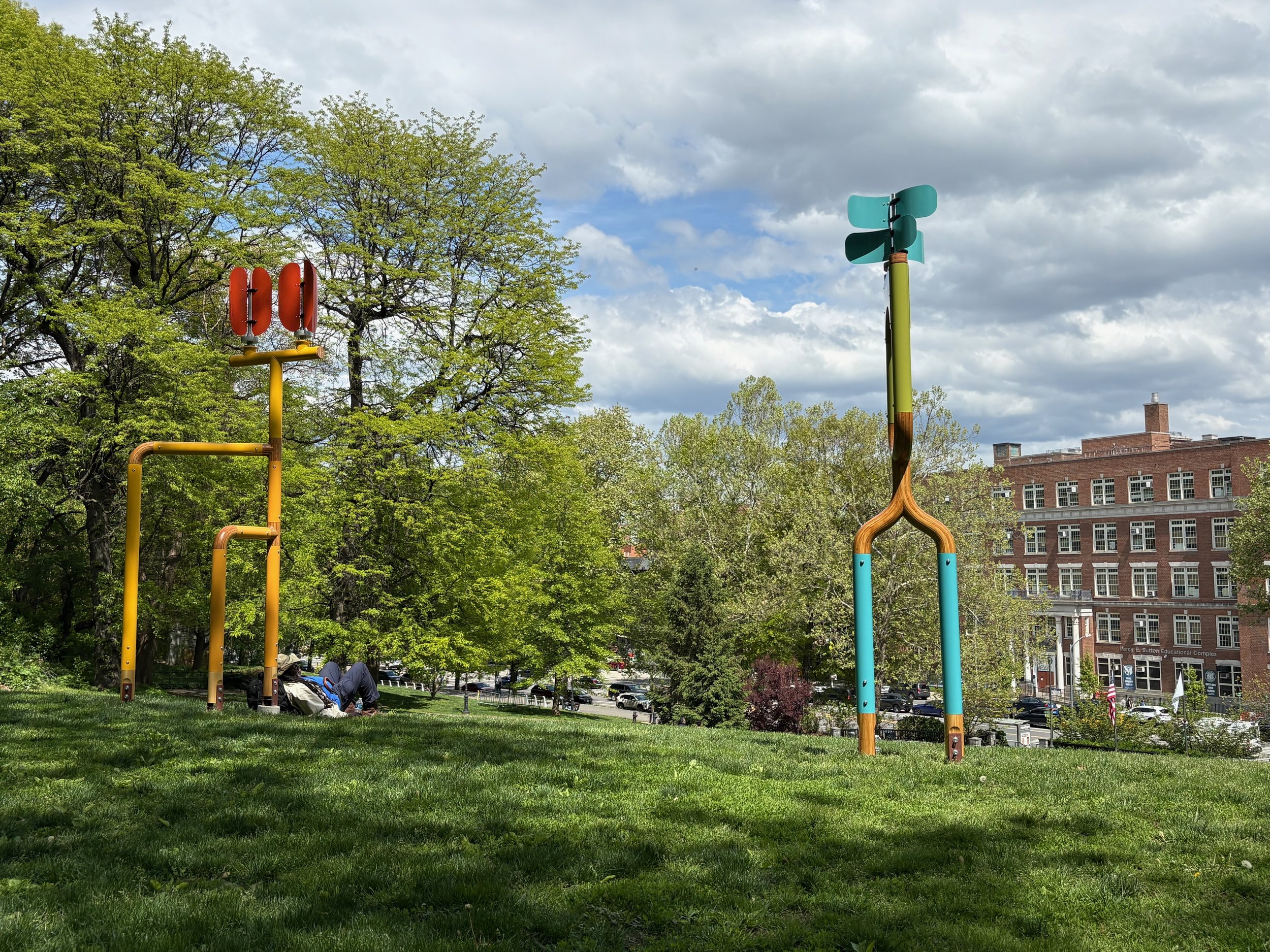
The Beacon wind turbines were designed and built for the 2026 Harlem Sculpture Gardens Exhibition. Situated in St. Nicholas Park, in the West side of Harlem, the wind turbines were designed to generate localized electricity exhibiting the potential of sustainable energy in public spaces.
Design plays a powerful role in making renewable energy meaningful, visible, and rooted in community life. By using human-centered and participatory methods, designers can create inclusive spaces for dialogue where residents, policymakers, and other stakeholders can actively shape energy projects.
Design also makes renewable systems visible and approachable. Instead of being seen as distant or industrial, solar fields and wind farms can become engaging features within communities—interpreted through placemaking, installations, and interactive experiences that highlight their value. This shift reframes infrastructure from something imposed to something that contributes to civic identity.
Design can contribute by making the technology visible, and translating the complexity of both the systems and its benefits into clear and relatable forms.
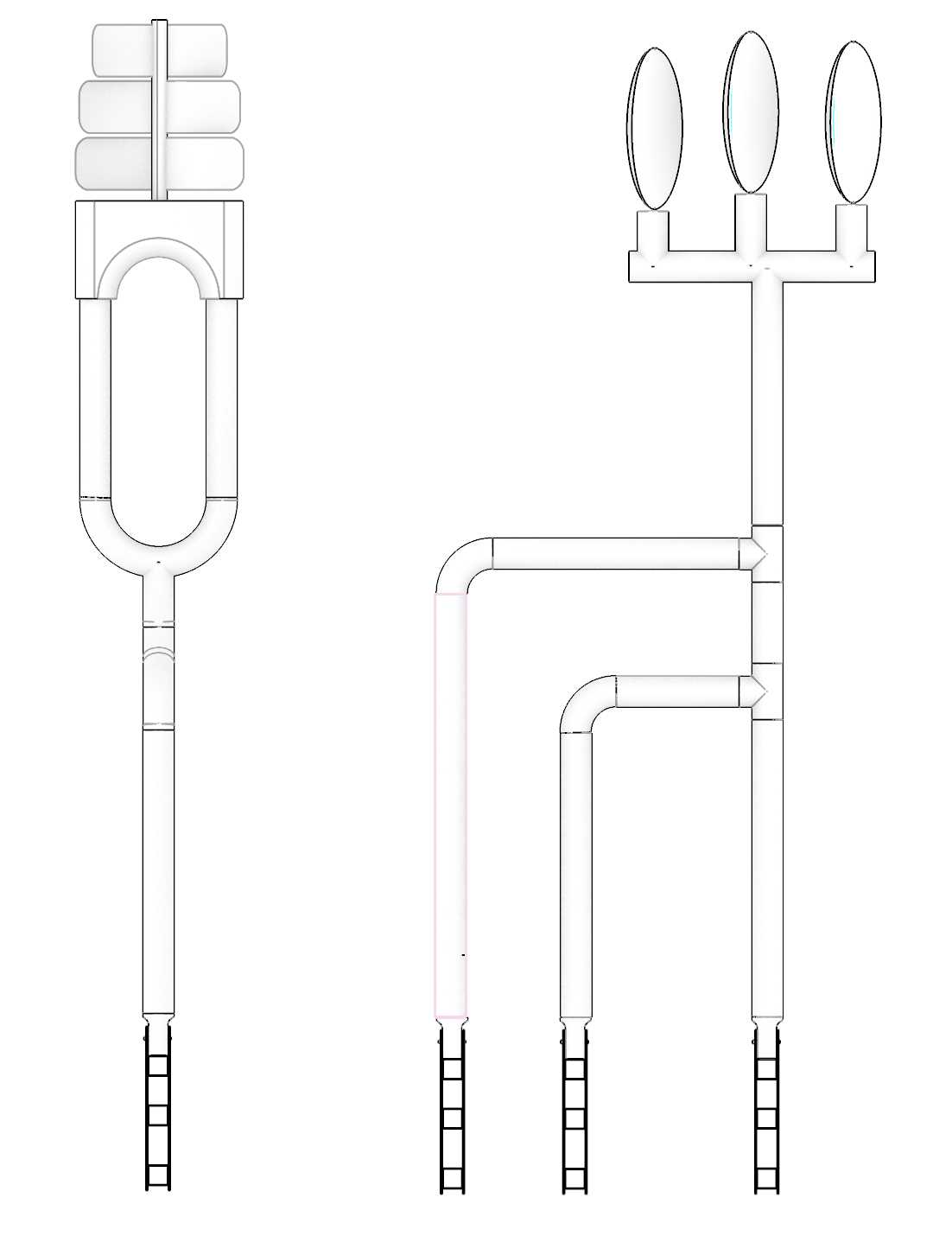
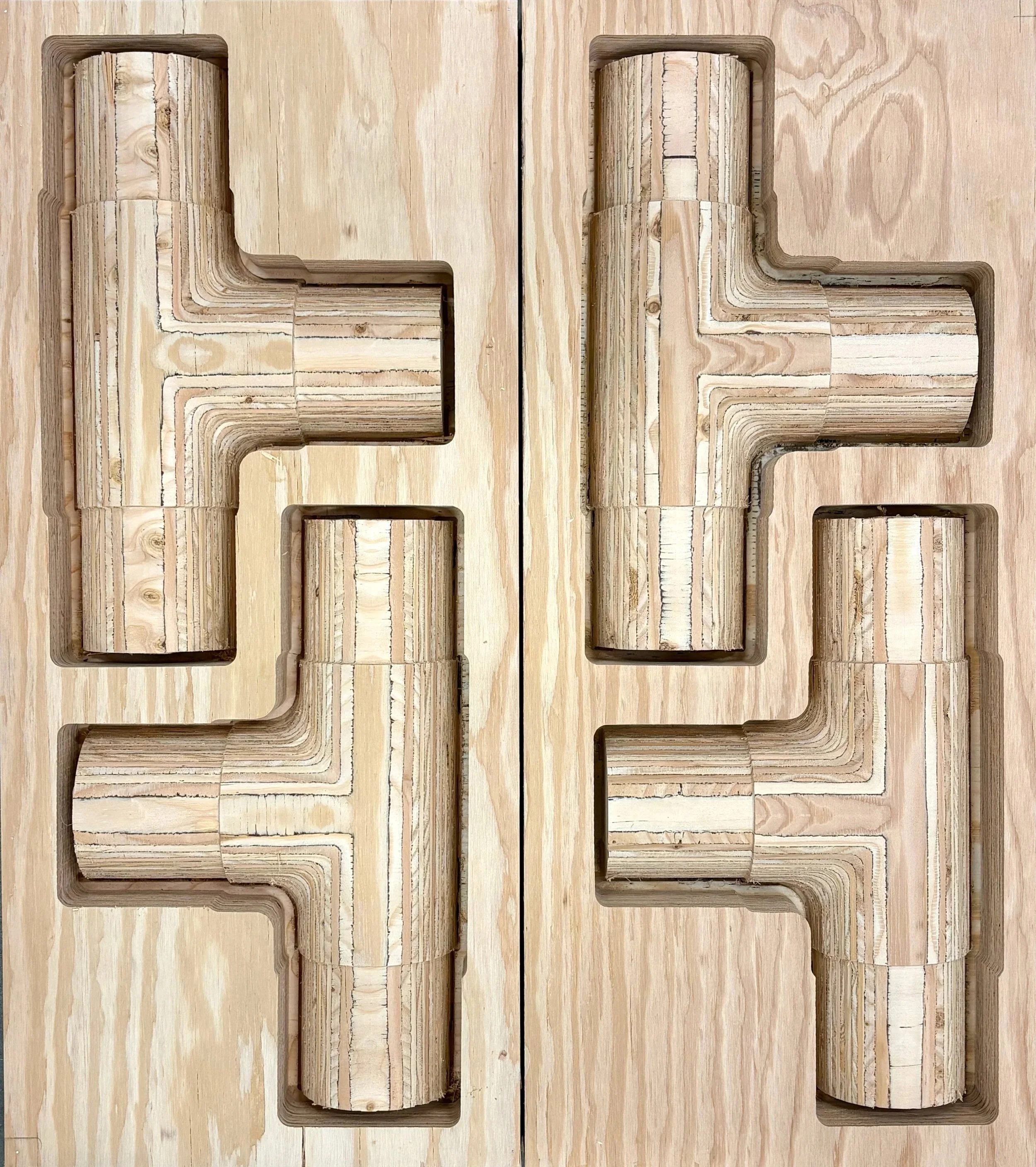
Making things is fun but hard.
This project called on a range of skills, from hand work to 3D modeling and digital manufacturing. The Turbines were designed and built to withstand a summer of NYC weather and public love.
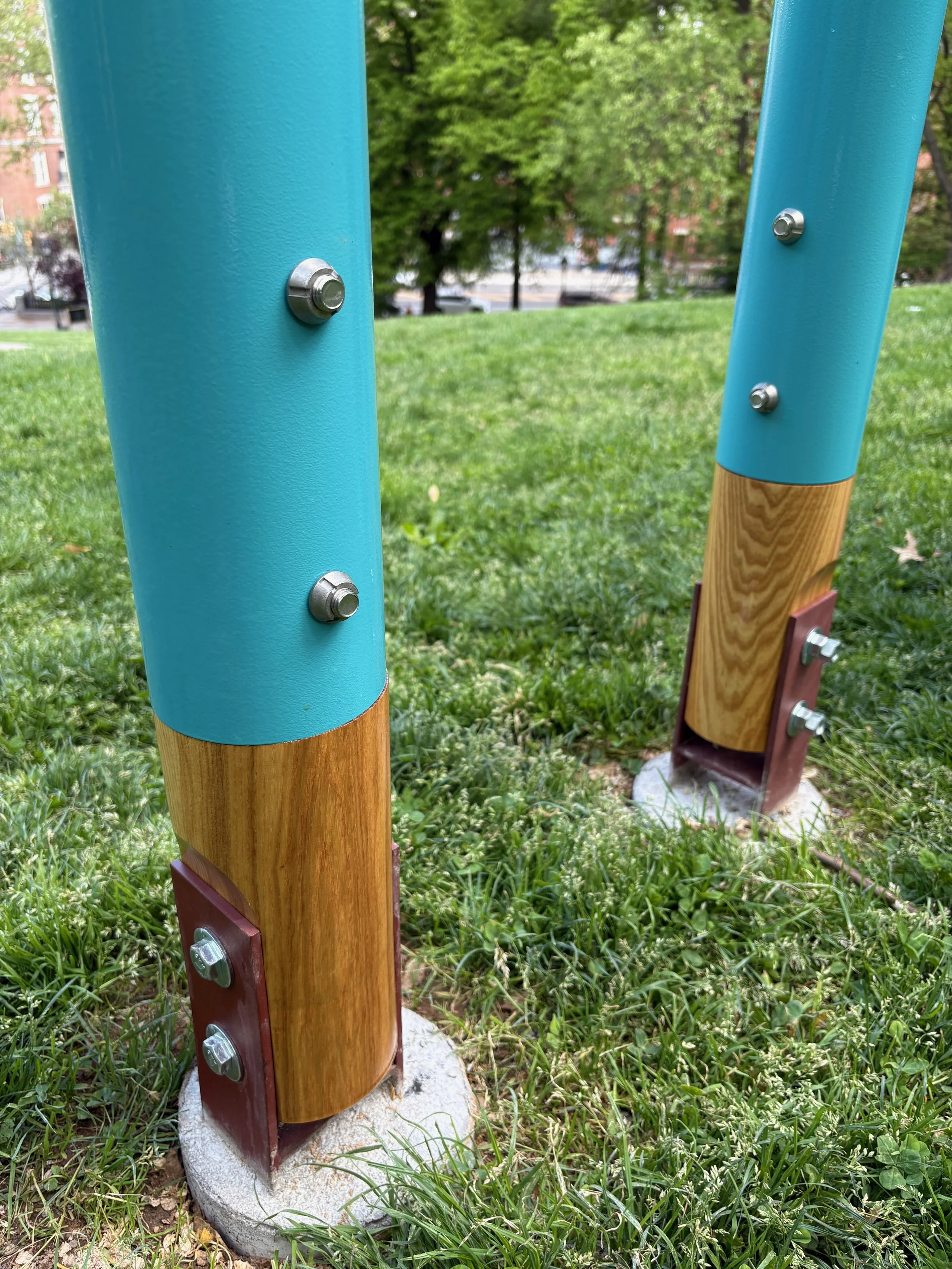
Wooden elements were made with stack laminated marine grade Douglas Fir Plywood, CNC milled and glued up in composite forms.
Modular building was used throughout the project to support repair, reuse or reconfiguration. Modular building promote a longer use life for the turbines, and as prototypes enables them to respsond to change quickly.
The Turbines are each outfitted with one or two 450 watt brushless motor and depending on conditions are capable of producing up to 3 KwHr each. This is enough power to create charging stations for electric bikes and scooters, or laptops and cell phones. These turbines are intended to support grid based electricity and offer a localized ground level alternative.
The Future?
Using informal interviews, conversation and observation as a basis for evaluation, I plan to reflect on the public interaction and feedback for ways to develop new interactive energy projects. My current goal is to develop a engineered electrical system that can be adapted to fit a range of spaces and use scenarios, to enable a new round or working prototypes for public spaces.
Future projects will increase in scale and capacity, and hopefully find permanent homes in shared public spaces.
Designing and building sustainable energy projects highlights the complexity of supply chains and the ethical sourcing of materials. Finding native species of plywood with FSC certification, sourcing motors and other electronic parts that are shipping from all over the world brings into sharp focus project priorities that help drive decisions on the build.
These challenges inspire me to research and work to develop new materials and other solutions, to find ways to lessen the carbon footprint of the objects themselves.
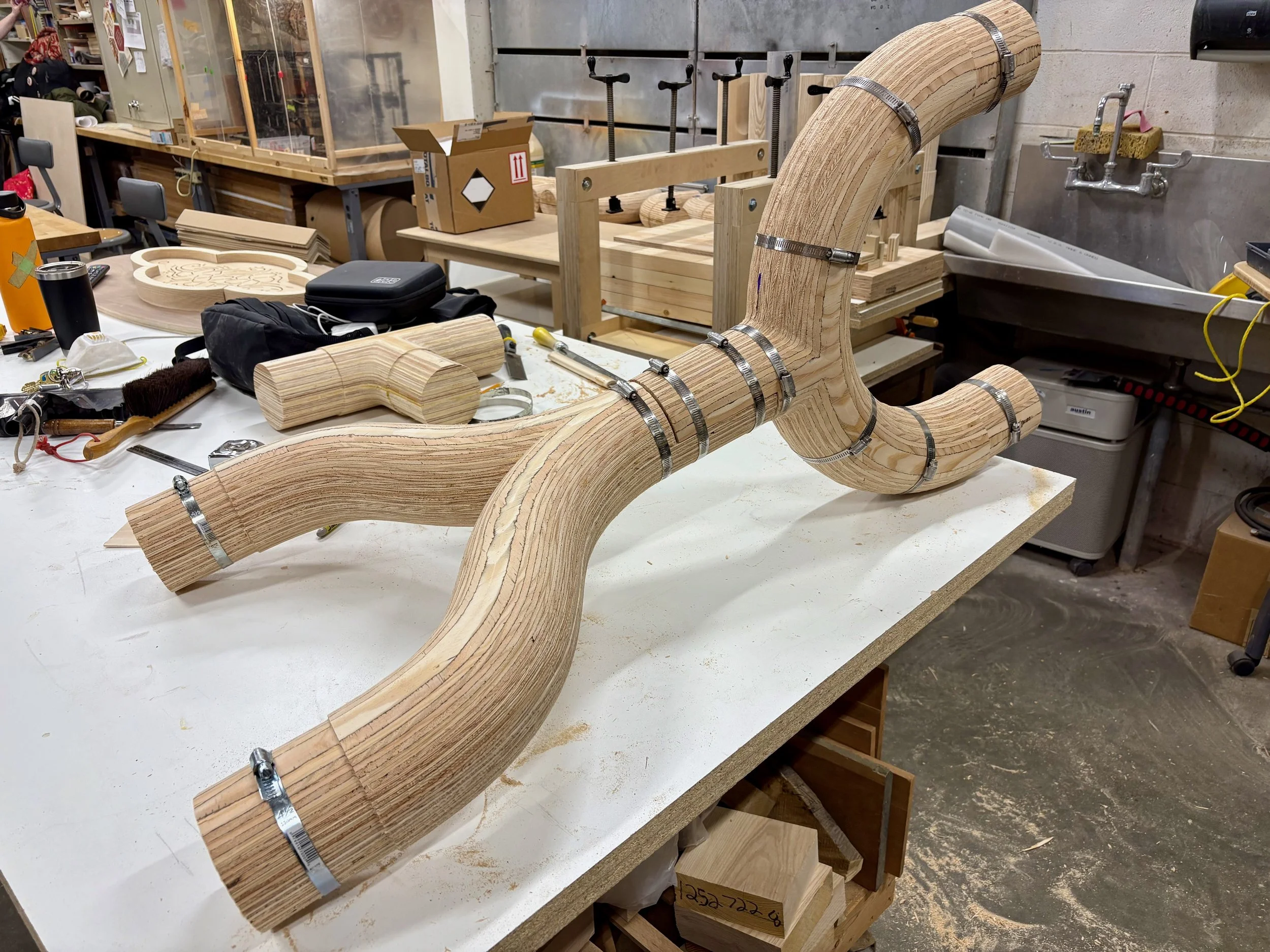
Dry Fit of CNC parts for XY Turbine.
Meaningful, hands-on interaction with renewable energy can significantly influence public perception and increase acceptance. When people can see, touch, use, or directly benefit from renewable energy, it transforms abstract, often politicized concepts into tangible, relatable experiences.
Design can be the engine that turns renewable energy from an abstract technology into a lived, shared experience. By demystifying how systems work through hands-on activities, interactive tools, and visible performance, design builds understanding and replaces skepticism with curiosity and trust. When people can see, touch, and even play with renewable technologies, they form emotional connections and a sense of ownership—transforming clean energy from “out there” to “ours.”
Through creative interventions, design reshapes infrastructure into civic experiences: solar-powered seating, wind-driven sculptures, or energy-producing playgrounds that embed renewables into daily life. Public spaces become places where energy is not hidden but celebrated, shifting perception from industrial intrusion to community resource.